


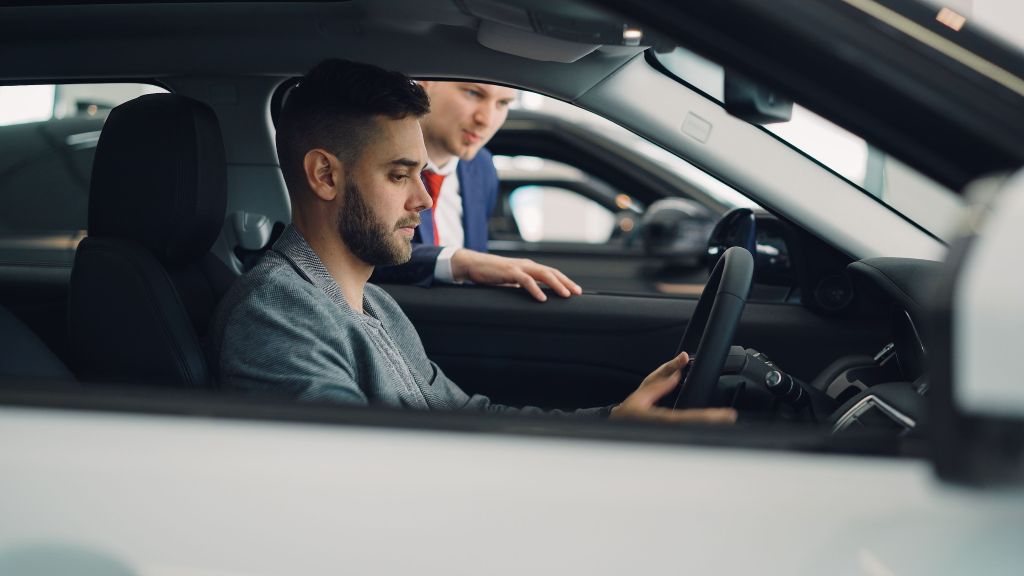
Taking a driving test causes intense stress for almost every new driver. The examiner sits right next to you with a clipboard and watches every move you make.
Many people fail their test on the first attempt due to simple errors. Knowing the most common fails on driving test helps you avoid them on test day!
Mistake 1: Rolling Through Stop Signs
A rolling stop is the most common reason people fail their driving test. Many drivers slow down at a stop sign but keep the wheels moving forward. They treat the stop sign like a yield sign.
Traffic laws require a full stop before the thick white line painted on the road. You must feel the car settle backward after the wheels stop moving. This physical pause proves you have control of the vehicle.
Examiners watch your tires to ensure they come to a total halt. If you roll past the line or fail to stop at all, the test ends in failure. There is zero room for error on this rule.
A great tip is to stop your car and count to three in your head before moving. This short pause proves to the examiner that you respect traffic laws and prioritize safety at intersections.
Mistake 2: Forgetting to Check Blind Spots
Changing lanes requires a physical check over your shoulder. Many students just glance in their side mirrors before turning the steering wheel. This is a dangerous habit that causes highway accidents.
Mirrors do not show the entire road next to your vehicle. A motorcycle or small car can hide in the space right beside your back doors. Looking over your shoulder is the only way to see this hidden space.
The examiner expects to see you turn your chin to your shoulder before you switch lanes. Missing this head check is a major safety violation. It shows a lack of awareness of your surroundings.
Make your head movements obvious during the evaluation. You want the examiner to see that you prioritize safety before making any lateral moves on the road.
Mistake 3: Driving at the Wrong Speed
Speeding is an obvious way to fail a driving test. Driving even a few miles per hour over the limit shows a lack of vehicle control. You must monitor your dashboard while keeping your eyes on the road.
School zones and construction areas require extra attention to speed limit changes. Missing a speed limit sign in these zones will result in an immediate penalty. You must adjust your speed before you enter the new zone.
On the other hand, driving too slow also causes problems. Going ten miles under the limit frustrates other drivers and disrupts the flow of traffic. It makes you look nervous and unprepared for public roads.
Try to stay within two or three miles per hour of the posted speed limit. This consistent pace shows the examiner that you feel confident and aware of the local traffic rules.
Mistake 4: Poor Steering Control
The way you hold the steering wheel tells the examiner about your confidence. Driving with one hand on the wheel is a fast way to lose points. You must keep both hands on the wheel in the correct position.
Most instructors recommend the nine and three o’clock positions for the best control. When you make a turn, you must use the hand-over-hand or push-pull method. Both methods keep you in control of the vehicle.
Letting the steering wheel spin back on its own after a turn looks careless. You must guide the wheel back to the center position with your hands. This prevents the car from drifting into the wrong lane.
Firm control over the vehicle prevents accidents in emergency situations. The examiner needs to see that you can handle the car at all times, even during sharp turns.
Mistake 5: Failing to Yield the Right of Way
Intersections confuse many new drivers during their road test. You must know who has the legal right to move first when multiple cars arrive. Hesitating or going out of turn causes dangerous confusion.
If you arrive at a four-way stop at the same time as another car, the vehicle on the right goes first. If you face a yield sign, you must wait for cross traffic to clear before you proceed.
You must also yield to pedestrians in crosswalks at all times. Forcing a person to stop walking because you turn too soon will end your test. Pedestrians always have the right of way.
Take a breath at intersections and assess the other vehicles and people. Making a safe, legal decision is much more important than rushing through the turn to finish the test.
Mistake 6: Braking Hard and Late
Smooth braking is a sign of an experienced and attentive driver. Pressing the brake pedal at the last second jerks the car forward. This aggressive movement makes the examiner feel unsafe in the passenger seat.
Late braking means you are not looking far enough down the road. You should start slowing down as soon as you see a red light or a stop sign ahead. Good drivers anticipate stops before they happen.
The examiner wants to experience a smooth, comfortable ride. If they have to brace themselves against the dashboard during a stop, you will lose points on your evaluation.
Apply gentle pressure to the brake pedal to bring the car to a gradual stop. This practice protects you from rear-end collisions in everyday traffic and keeps your passengers comfortable.
Mistake 7: Ignoring Road Markings
Drivers must pay attention to the paint on the asphalt as much as the metal street signs. Solid white or yellow lines mean you cannot change lanes. You must wait for the broken lines to appear before you make your move.
Crossing a solid line during the test is a serious traffic violation. You also need to watch for turn-only lanes and pedestrian crosswalk lines. Each painted line serves a specific legal purpose.
Stopping your car on top of a crosswalk blocks foot traffic and results in a penalty. You must keep your front bumper behind the thick white stop line at all red lights.
Scan the road surface ahead of your car while you drive. Following the painted rules keeps the roads organized and prevents chaotic driving situations in heavy traffic.
Mistake 8: Hitting the Curb While Parking
Parallel parking creates intense fear for many student drivers. The pressure of backing into a small space causes people to make small steering errors. This maneuver requires practice and spatial awareness.
Touching the curb with your tire might just cost you a few minor points. However, rolling your tire up and over the curb is an automatic failure. It shows a complete lack of vehicle control.
Take your time when the examiner asks you to perform this maneuver. You have permission to make adjustments and fix your angle if you misjudge the space on your first try.
Use your mirrors and look out the back window to guide the vehicle. A slow, careful parking job is always better than a rushed mistake that damages the car.
Mistake 9: Following Other Cars Too Close
Tailgating is a dangerous habit that causes many rear-end accidents on the highway. Driving too close to the car in front of you reduces your reaction time. You will not have time to stop if traffic halts.
If the leading car hits the brakes, you need enough space to stop your vehicle without a crash. The examiner monitors the gap between your front bumper and the next car throughout the entire test.
A good rule is to keep a three-second gap in clear weather. You need to increase that gap when it rains or when the roads are wet. More distance equals more safety.
Leave enough space at stoplights to see the rear tires of the car ahead. This specific gap gives you room to move around them if their engine stalls or breaks down.
Mistake 10: Lack of General Observation
Driving requires constant visual scanning of the environment around you. Staring straight ahead at the bumper of the next car is a bad habit. It causes you to miss important hazards approaching from the sides.
You need to move your eyes to check for side traffic, bicycles, and changing signals. Examiners watch your eye movements to see if you are paying attention to the big picture.
Before entering an intersection on a green light, look left and right. Another driver might run their red light and enter your path. A green light does not guarantee a safe intersection.
Good observation allows you to anticipate danger before it happens. Showing the examiner that you are alert is the best way to prove you deserve a driver’s license.
Conclusion
These most common fails on driving test happen because the student feels nervous under pressure. Deep breaths and a calm mindset will help you remember your training on test day. Do not let one small mistake ruin your focus.
Review these ten errors and practice them during your driving lessons. Ask your instructor to correct your stops, head checks, and steering habits before you schedule the official exam.
Arrive at the testing center with total confidence in your abilities. Show the examiner you understand the rules of the road, and you will walk away with your new license!