


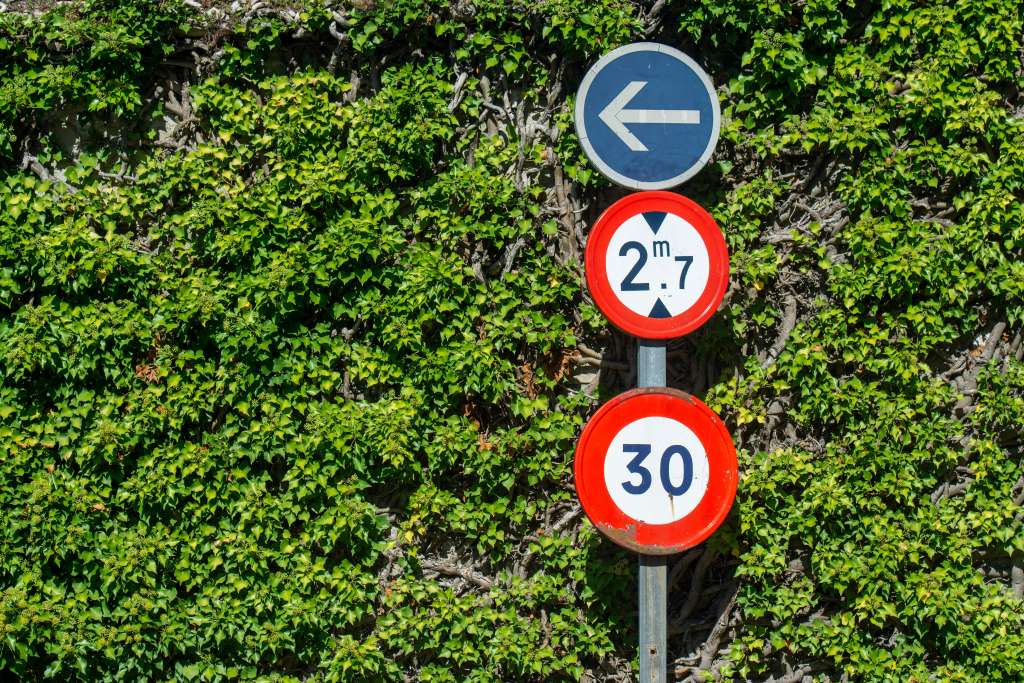
The streets feature hundreds of different metal signs. Some shapes and colors make obvious sense to everyone. A red stop sign tells you what to do. Other signs feature strange arrows and odd pictures with no text at all.
Misunderstanding a road sign can lead to traffic tickets or car crashes. New drivers need to memorize these symbols before they take their driving test. Confidence behind the wheel comes from knowing the rules of the road.
This guide breaks down the most confusing road signs found on modern streets. Reading this list will help you become a safer driver.
The Confusing Road Signs Explained for New Drivers
The Yield Sign
The Yield sign is a red and white triangle pointing down. Many new drivers treat this sign like a Stop sign. Other drivers ignore it and keep driving at full speed. Both reactions are wrong and dangerous.
Yield means you must give the right of way to other traffic. When you approach this sign, you need to slow your car down. You must look for other vehicles, bicycles, or people crossing your path.
If the road is clear, you can keep moving without a full stop. If other cars are coming, you must stop and wait for them to pass. You enter the road only when a safe gap appears in the traffic.
A great tip for new drivers is to cover the brake pedal with your foot as you approach a yield sign. This prepares you to stop if a car appears out of nowhere. It gives you more reaction time in a busy intersection.
The Divided Highway Begins and Ends Signs
These two signs look very similar and confuse experienced drivers too. Both signs feature two dark arrows pointing in opposite directions. The difference lies in the placement of a small black shape resembling a shield.
The “Divided Highway Begins” sign shows the black shield at the top, between the two arrows. This means a physical concrete barrier will soon separate your lane from the oncoming traffic. You must stay to the right of this new barrier.
The “Divided Highway Ends” sign shows the black shield at the bottom. This warns you that the physical barrier is about to disappear. You will soon share an open road with cars driving toward you.
When you see the “Ends” sign, you need to pay close attention to the painted lines on the asphalt. The road will shift to a double yellow line. You cannot cross this yellow line to pass other cars.
Pedestrian Crossing vs. School Zone
Spotting a yellow-green sign with figures walking is common in towns. There are two distinct versions of this sign. Knowing the difference tells you a lot about the specific area you are driving through.
A standard pedestrian crossing sign shows a single person walking. This sign warns you of a crosswalk ahead. You must watch for people walking across the street and stop if someone steps onto the road.
The school zone sign shows two figures walking together. The shape of this sign is a pentagon, which resembles a small house. This specific shape always means you are near a school building.
When you spot the pentagon shape, expect to see lower speed limits and flashing yellow lights. Children might run into the street without looking. You should reduce your speed and check your mirrors more often in these zones.
The Slippery When Wet Sign
This warning sign features a car with two curved lines behind the tires. Many new drivers look at the squiggly lines and get confused. Some people think it means the road has curves ahead.
The image represents a car losing control and sliding. It tells you the asphalt ahead gets dangerous when rain falls. The water mixes with oil on the street and reduces your tire traction.
If the sky is clear and the road is dry, you can drive at the normal speed limit. If rain starts to fall, you must change your driving habits. The sign serves as a warning for bad weather conditions.
Press your brakes with light pressure to test your grip if you feel the car slide. You should increase the distance between your car and the vehicle in front of you. This gives you extra room to stop on wet pavement.
The Lane Ends and Merge Signs
The “Lane Ends” sign shows a straight line on one side and a bent line on the other. It means your lane will disappear soon. You must move your car into the open lane next to you.
Many drivers wait until the very last second to switch lanes. This causes traffic jams and makes other drivers angry. You should turn on your turn signal and move over as soon as you see the sign.
The “Merge” sign features a main arrow with a smaller arrow joining it from the side. This tells you that other cars will join your road. You have the right of way, but you need to share the space.
A smart habit is to check your blind spot when you see a merge sign. If the left lane is empty, move your car over. This creates an open space for the new cars entering the highway.
The Winding Road vs. Right Curve Signs
Yellow diamond signs with black arrows warn you about the shape of the road ahead. A sign with a single curve means the road bends in one direction. You just need to slow down for that one turn.
The “Winding Road” sign looks different. It shows an arrow with multiple curves, resembling a snake. This means the road will bend back and forth several times in a row.
New drivers often speed up after the first curve. On a winding road, this is a dangerous mistake. You must keep your speed low until you pass the entire series of turns.
Look far ahead through the windshield when navigating these roads. Do not stare at the front of your car. Looking toward the end of the curve helps you steer with better control and keeps the car centered.
Conclusion
Confusing road signs become familiar with practice. The more time you spend behind the wheel, the more natural these symbols will feel. You will start to react to them without much thought.
If you ever see a sign you do not understand, do not panic. Reduce your speed, stay in your lane, and pay attention to the cars around you. Safety should always remain your top priority!