


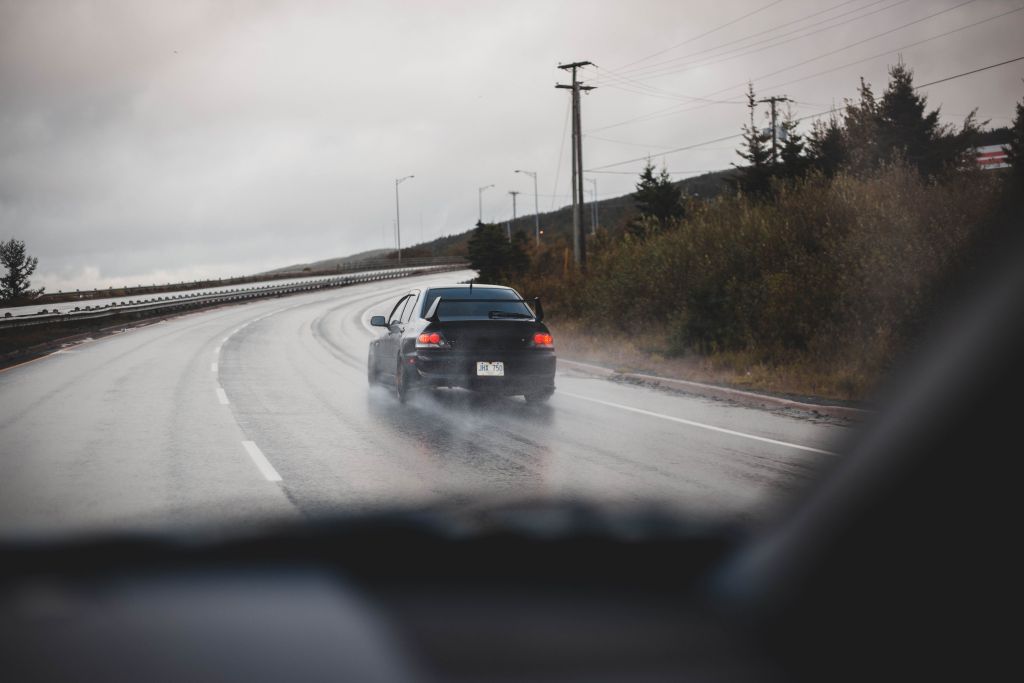
Driving in heavy rain presents a major challenge for all drivers. Water changes the road surface and reduces your vision. You have less time to react to the traffic ahead of you.
Hydroplaning is the biggest threat during a rainstorm. This dangerous event causes you to lose control of your steering and your brakes. Your car glides over the water with zero traction.
You can protect yourself by learning a few basic driving rules on how to drive in heavy rain!
How to Drive in Heavy Rain and Prevent Hydroplaning
Understanding Hydroplaning
Hydroplaning happens when water builds up in front of your tires. Your vehicle pushes more water than the rubber treads can move out of the way. The pressure forces the liquid underneath the car.
The water lifts your car off the ground. Your rubber tires lose all physical contact with the pavement. You are driving on a thin layer of water instead of solid asphalt.
At this point, your steering wheel stops working. Pressing the brake pedal will not slow the car down because there is no friction between the tires and the road. You become a passenger in your own vehicle.
This event occurs at speeds over thirty-five miles per hour. Deep puddles and heavy downpours increase the risk of losing control. You must understand this risk to avoid it.
Preparing Your Vehicle
Safe driving in the rain starts before you turn the key. Your tires serve as your only connection to the wet road. You must maintain them throughout the year.
Check your tire tread depth every month. Deep grooves push water away from the center of the tire and keep the rubber on the asphalt. Bald tires cause hydroplaning almost every time it rains.
You also need good visibility to spot large puddles. Inspect your windshield wipers and replace them if they leave streaks of water on the glass. Clear vision gives you more time to react to road hazards.
Turn on your headlights the moment the rain begins to fall. This action helps you see the road and ensures other drivers see your vehicle in the dark storm. Local traffic laws in most states require your headlights to remain on whenever your wipers are running.
Essential Driving Techniques in the Rain
Speed is your biggest enemy on wet pavement. You must reduce your normal driving speed the moment the rain starts. Slower speeds give your tires more time to push the water out of the way.
You must also increase your following distance from other cars. It takes much more time and distance to stop a car on wet asphalt. Leave at least five seconds of space between your front bumper and the car ahead.
Try to drive in the tracks left by the vehicles in front of you. The tires of the leading car push the water aside. This leaves a drier path for your own wheels to follow.
Avoid making sharp turns or pressing the brakes hard. Smooth, gentle steering movements keep the car balanced. Sudden actions cause the tires to lose their grip on the road.
How to Recover from a Hydroplane Spin
Even cautious drivers can experience hydroplaning. You will know it is happening when the steering wheel feels light in your hands. You might also hear the engine rev up higher than normal.
The most important rule is to remain calm and avoid panic. Do not slam your foot on the brake pedal. Hard braking will lock the wheels and cause the car to spin out of control.
Instead, take your foot off the gas pedal to let the car slow down on its own. Keep both hands on the steering wheel. Look in the direction you want the car to go.
Steer straight ahead until you feel the tires grip the road again. Once the rubber touches the pavement, you can apply gentle pressure to the brakes. Bring the car to a slower, manageable speed.
Dealing with Flooded Roads and Standing Water
Heavy storms often overwhelm street drains and cause local flooding. Standing water poses a severe threat to both you and your vehicle. You must respect the power of deep water.
Never drive through a flooded intersection or a deep puddle. Water hides massive potholes, broken pavement, and washed-out roads. You cannot know the true depth of the water by looking at the surface.
Just six inches of moving water can sweep a small car off the road. Deep water will also enter your engine intake and destroy the motor in seconds. This causes thousands of dollars in mechanical damage.
If you see a flooded street ahead, turn around and find another route. Adding ten minutes to your commute is better than losing your vehicle in a flood. Do not risk your life to save a few minutes.
Using Vehicle Safety Features
Modern cars come with great safety technology, but you must know how to use it in the rain. Cruise control is a feature you must turn off during a storm. It presents a major hazard on wet roads.
If your car hydroplanes while cruise control is active, the computer will sense a loss of speed. The system will apply more gas to compensate. This automatic acceleration makes the spin much worse.
You should also understand how your Anti-lock Braking System works. If you must stop in an emergency, press the brake pedal down hard and hold it there. Do not pump the brakes.
The braking system will pulse the brakes to prevent the wheels from locking. You will feel a strong vibration in the pedal, but you must not let go. Keep pressing until the car comes to a full stop.
Conclusion
Always prioritize visibility and leave plenty of space between cars when you are driving in heavy rain. Smooth and gentle driving movements are your best defense against accidents.
Good judgment and know how to drive in heavy rain prevents disaster. If the storm gets too intense and you cannot see the road, pull over to a rest area and wait!